



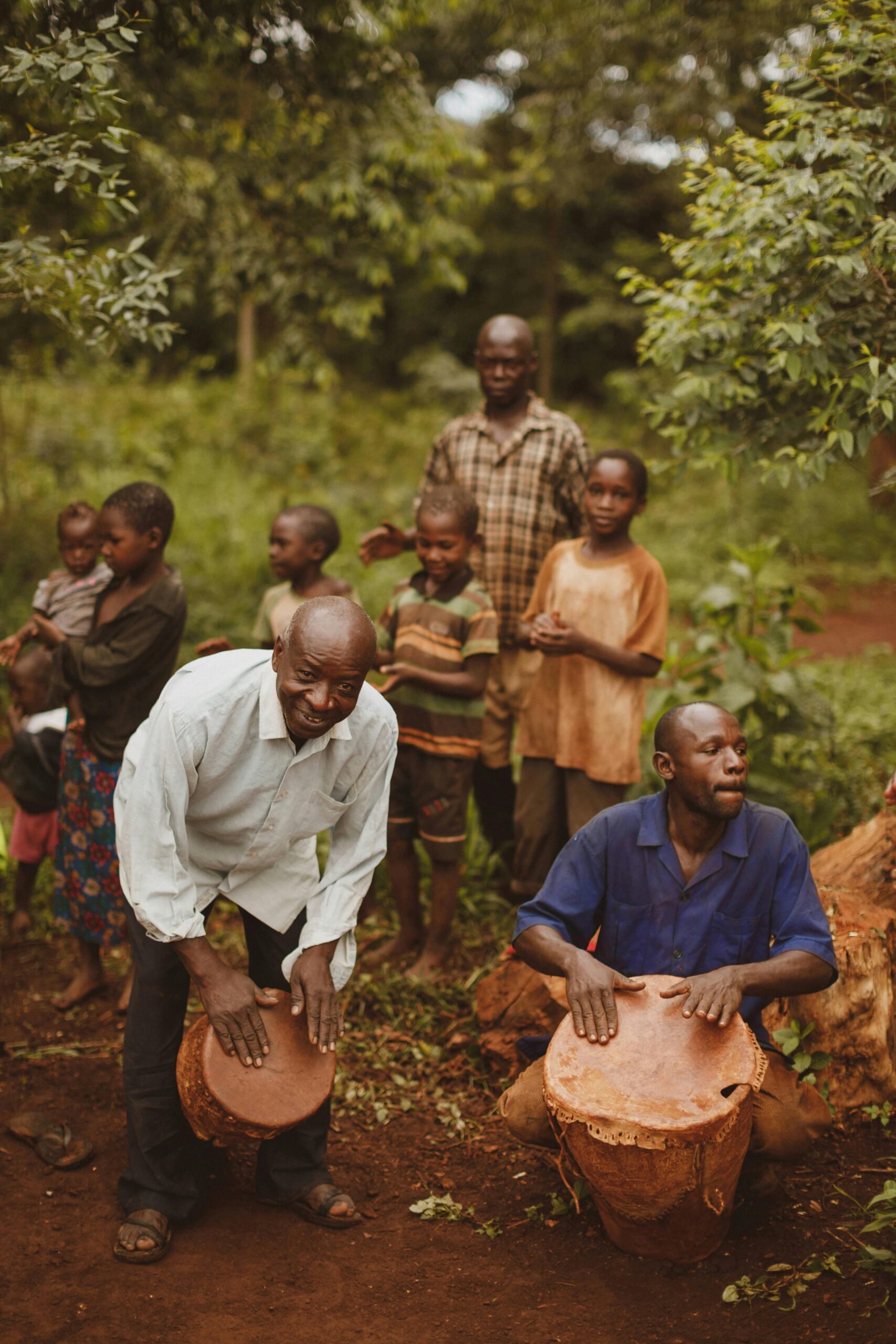

Ghana’s wisdom is not contained in a single book or spoken by a single voice. It lives in the languages of the savannah and the forest, the coast and the hills. While the Akan, Ewe, and Northern traditions are widely celebrated, there are other voices, equally ancient and equally wise, that deserve to be heard. These proverbs come from the Guan, Grusi, Kusasi, Bimoba, and other communities whose words have shaped generations but are less often quoted in popular collections. Each one offers a window into a distinct way of understanding leadership, community, and the human condition.
Guan Traditions (Gonja, Nchumburu, Nawuri)
“Kebi wo kumo.” (Gonja)
The child belongs to everyone.
This Gonja proverb captures the essence of African communal child rearing. A child is not the sole property of their biological parents but a member of the entire community, with many aunties, uncles, and elders responsible for their upbringing. For leaders, this means recognizing that the development of the next generation is a shared duty. Wisdom understands that a child raised by a village carries the village’s values within them.
“E to kushun.” (Gonja)
Truth is bitter.
The Gonja do not soften difficult truths. A bitter medicine heals, while a sweet lie only prolongs sickness. In African leadership, the ability to speak and receive hard truths is essential. A leader who surrounds themselves with flatterers courts disaster. Wisdom is the courage to swallow bitterness for the sake of long term health.
“B’aa wɔl, b’aa wɔl.” (Gonja)
They will say, they will say.
People will always talk. Gossip is as constant as the wind. This proverb is a liberating reminder that you cannot control public opinion. A leader who is paralyzed by the fear of what others might say will never act decisively. Wisdom hears the noise but does not let it steer the boat.
“Ama baŋye.” (Gonja)
You cannot open someone’s heart to see inside.
Human intentions are hidden. You cannot know with certainty what another person truly thinks or feels. This proverb counsels humility and caution in judgment. African wisdom teaches us to observe actions over time rather than assuming we know someone’s inner world. A wise leader judges by fruit, not by appearance.
“Kashintɛ.” (Nchumburu)
The path is long.
Life is not a sprint. The Nchumburu people use this simple phrase to remind the impatient that endurance matters more than speed. In leadership, the long view is everything. A decision that looks good today may bring ruin tomorrow. Wisdom paces itself for the entire journey.
Grusi Traditions (Kasem, Sissala, Nuni)
“Chegri baŋ ke a tega.” (Kasem)
A cripple knows his own house.
Even someone with physical limitations has intimate knowledge of their own space. This Kasem proverb defends the dignity and expertise of those often overlooked. African culture respects the wisdom that comes from lived experience. A leader who dismisses the insights of the marginalized cuts themselves off from valuable knowledge.
“Bia baŋ ne a lɔɔrɔ.” (Kasem)
A child does not know the length of the journey.
Young people often underestimate the difficulty of a task or the complexity of a life. This is not said to discourage but to invite humility and listening. Elders have walked farther and seen more. Wisdom seeks the counsel of those who have already covered the ground.
“Nɔnɔ bɔɔre One finger cannot pick a stone.
You cannot lift a stone with a single finger. It requires the coordinated effort of the whole hand. This Sissala proverb is a practical illustration of unity. African culture understands that individual strength is limited. A leader who tries to do everything alone will fail to lift what a united team could carry easily.
“Bɛɛrɛ yɔɔ nɛ fɔ.” (Sissala) The stomach does not forget hunger.
Past suffering shapes present behavior. Someone who has known severe lack will carry that memory even in times of plenty. This proverb teaches compassion. African wisdom reminds us that we do not all start from the same place. A wise leader makes allowances for the invisible burdens others carry.
“Nyaa konto.” (Nuni)Water finds its level.
Things naturally settle where they belong. You cannot force water to flow uphill forever. This Nuni proverb speaks to the futility of resisting natural order and the wisdom of trusting processes. In leadership, it means knowing when to stop pushing and let things settle into their proper place.
Kusasi (Upper East Region)
“Noba an wom daa.”
A person is not a tree.
A tree stays rooted in one spot, but a human being needs movement, connection, and change. The Kusasi people use this proverb to reject isolation. African life is communal. A leader who isolates themselves from their people becomes like a tree, unable to respond to the changing winds. Wisdom stays connected and mobile.
“Nangban an wom kook.”
The mouth does not carry a load.
Words are light. Promises cost nothing to speak. This Kusasi proverb values deeds over declarations. In African culture, a person’s word is their bond, but that bond is proven through action. A leader is measured by what their hands have done, not by what their mouth has promised.
“Nur biilim an wom buul.”
A small person is not a stone.
A stone can be kicked aside without thought. A person, no matter how small or seemingly insignificant, cannot. This proverb affirms the inherent dignity of every human being. African elders teach that everyone carries weight in the community. A wise leader never treats anyone as disposable.
Bimoba (Northern Region)
“Bɔk a nyin a yaa.”
The path is seen by walking.
Clarity comes through movement, not through waiting. You cannot know the whole road before you begin. This Bimoba proverb encourages action over endless planning. African wisdom understands that some knowledge is only gained through experience. A leader must be willing to take the first step even when the destination is unclear.
“Mɔk a jaa a yenn.”
The grass suffers when elephants fight.
The powerless bear the greatest cost when the powerful clash. This vivid Bimoba image is a call to conflict resolution and protection of the vulnerable. African leadership carries a special responsibility for those who cannot defend themselves. Wisdom resolves disputes quickly so the grass can grow again.
“Nnɔb a boor a te.”
A single stone does not build a house.
No great work is accomplished alone. This proverb echoes the universal African understanding of interdependence. A leader may have the vision, but they need many hands to turn stones into a home. Wisdom gathers others and honors their contributions.
Buli (Bulsa)
“Wa nye wa.”
Let him see for himself.
Some lessons cannot be taught. You can warn, you can advise, but ultimately each person must learn certain truths through their own experience. This Buli proverb counsels release. African wisdom knows when to step back and allow another person to walk their own path. A wise leader does not rob others of the growth that comes through struggle.
“Nurma a ta wɔŋ.”
A person is not an animal.
Human dignity is non negotiable. This simple Buli statement is a profound ethical foundation. In African culture, every person deserves to be treated with respect, regardless of their status. Leadership that dehumanizes others has lost its moral compass. Wisdom preserves the humanity of all.
Frafra (Gurenɛ)
“Naba a yire ka fu zabɛ.”
You fight from within your own house.
Before you go out to criticize the chief or the village, clean your own compound. This Frafra proverb insists that personal integrity must precede public voice. African culture values the leader who models the change they demand from others. Wisdom begins with the self.
“Nɛra n baŋɛ a nye’eŋa.”
A person knows their own back only through another.
You cannot see your own back. You need someone else to tell you if there is dirt there or a scorpion climbing up. This is a profound statement about the limits of self awareness and the necessity of community. African wisdom understands that we are mirrors for one another. A wise leader surrounds themselves with people who will tell them the truth about what they cannot see.
Mampruli (Mamprusi)
“Nɔyɔbir kuri ka di ŋmani la naawuni.”
The chameleon walks slowly but arrives like God.
The chameleon moves with deliberate care, but its arrival is significant, even sacred. This Mampruli proverb honors steady, patient progress over flashy speed. African leadership that rushes often stumbles. Wisdom moves slowly and arrives with weight.
“Titaar ni kpiɛri a yee.”
A single straw cannot build a roof.
Unity creates strength. One straw is useless, but a thousand bound together can shelter a family for generations. This Mampruli proverb is a visual sermon on the power of collective effort. A leader who tries to stand alone is a single straw in the wind. Wisdom binds itself to others.
Dangme
“When someone has done you a good turn, do not turn your buttocks to express thanks.”
Gratitude must be visible and sincere. Hidden appreciation is no appreciation at all. The Dangme people value open acknowledgment of kindness. African culture understands that gratitude strengthens communal bonds. A leader who publicly thanks those who help them builds loyalty and encourages further generosity.
“The eyes of a stranger may be very large.”
An outsider sees things that insiders overlook. The Dangme use this proverb to teach hospitality toward fresh perspectives. African wisdom does not fear the stranger’s gaze but welcomes the new insights it brings. A wise leader listens to voices from outside the inner circle.
Hausa
“Abin da ka shuka, shi ne za ka girba.”
What you plant is what you will harvest.
This Hausa proverb is a straightforward statement of moral cause and effect. African culture believes deeply in the law of consequences. A leader who sows injustice will reap rebellion. A leader who sows kindness will harvest loyalty. Wisdom chooses seeds carefully.
“Kunkurru ya so dambe ba shi da yasa.”
The tortoise wants to fight but has no fingers.
The tortoise feels the rage for combat but lacks the physical means to engage. This Hausa proverb describes the agony of desiring something you are not equipped to achieve. African wisdom acknowledges human limitation. A wise leader knows when a battle is not theirs to fight and conserves energy for winnable wars.
“Gaskiya tafi kwabo.” Truth is worth more than a kobo.
Integrity is priceless. No amount of money can buy back a lost reputation. Hausa traders know that trust is the foundation of all lasting commerce. African leadership rests on the same foundation. Wisdom never sells its truth for short term gain.
“Ruwa ba ya tsami banza.”
Water does not become sour for nothing.
There is always a reason behind every change. This Hausa proverb discourages superficial explanations. African wisdom looks for root causes. A leader who addresses only symptoms will never cure the disease. Wisdom digs until it finds the source.
Nzema
“Nyamenle a kposa akole alee a.”
It is God who chews the food for the cock.
Provision comes from beyond human effort. The Nzema acknowledge divine sustenance in all things. African spirituality sees the hand of the Creator in daily survival. A leader who recognizes their dependence on forces beyond themselves leads with humility rather than arrogance.
Conclusion
These proverbs are fragments of a vast and living tradition. They come from communities whose wisdom has been whispered in the harmattan wind, sung in fishing songs, and spoken over evening fires for centuries. They remind us that Ghana’s voice is not one but many, and that every language carries a unique piece of the shattered pot that Ananse dropped. May these words find a home in your mind and bear fruit in your life.



Leave a Reply
You must be logged in to post a comment.